

Padikkal’s 199 Drowns Out Goa Casino Live Tables Online Noise in Historic Win

Published 2026-10-30 · By Kunal Desai (Executive Sports Editor · Chandigarh Desk)
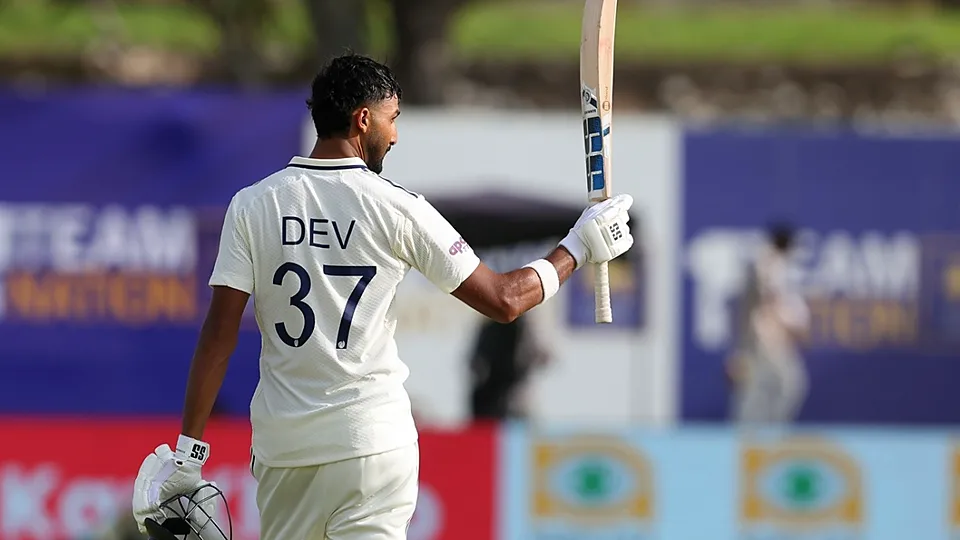
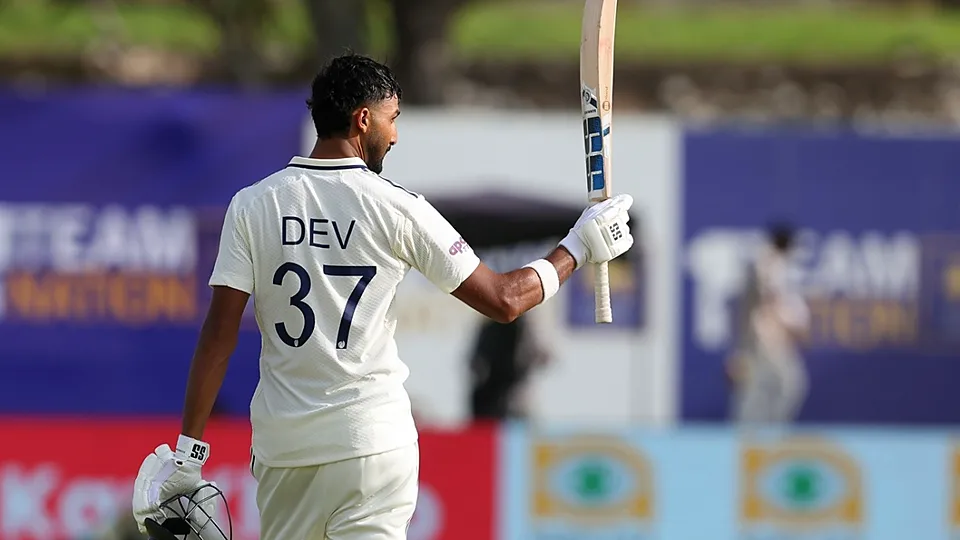
Padikkal didn’t wait for permission. He walked out, looked at the sticky red-soil track, and decided to simply hit everything. The first fifty came off eighteen balls. No fudging. No defensive shuffle. Just raw, unpolished aggression that caught the opposition bowlers flat-footed in the crease.
By the time the new-ball burst had finished its work, India A was already 190 up. But that lead? It evaporated quickly under the relentless pressure of the middle-overs choke. The dressing-room chatter must have been loud. You know the type. Fingers pointing at the batsmen who walked out to the skiddy hard length and got dismissed for nothing. Nobody in the dugout bought that excuse. Not on a track like this. Not with dew kicking in after 8:30 PM IST.
Why the Impact Player Gamble Paid Off
The selection call for the Impact Player spot was sharp, if slightly controversial. Swapping a specialist leg-spin for a power-hitting specialist when the boundary-percentage is crucial looks like a long shot to the purists. But look at the data. Washington was 51 not out when the stumps were pulled in. He didn’t just survive the death overs; he controlled the strike rate. That is not luck. That is calculated risk.
- Rathod’s 66: Essential glue. He blocked and placed when the middle overs stalled.
- Sai Sudharsan’s 91: The anchor. He stabilized the innings when the openers crumbled.
- Padikkal’s 199: The statement. This is the innings that will be dissected in the media.
The middle-overs phase is where India A usually falls over. It’s the graveyard shift. The new ball has lost its swing, the pitch hasn’t yet turned enough to help the spinners, and the batsmen are trying to accelerate against the hard length. Against a quality attack, this is where runs leak away. Today, they didn’t leak. They flowed. And that flow was engineered by a backhand that Padikkal deployed with terrifying consistency.
The 284-Run Lead: Symbolic or Substantive?
A 284-run lead is huge. In first-class cricket, it is rarely chased. But don’t confuse margin with mastery. The bowlers did their job. The fielding was decent. The batting was exceptional. But was it inevitable? Or did the opposition simply collapse under the weight of a perfect day?
Consider the bowling at the death. It was tight. No free hits. No over-exaggerated yorkers that missed the pitch. It was disciplined, boring, and effective. That is the hallmark of a team that understands the game. They didn’t try to be heroes. They tried to be consistent. In Indian cricket, consistency is the luxury we rarely afford ourselves.
There is a noise online about 'goa casino live tables online' strategies being mirrored in innings construction. It is a stretch, perhaps. But the parallel is interesting. Both rely on managing risk, reading the board, and knowing when to push and when to hold. Padikkal’s innings was a series of calculated pushes. He read the gaps. He knew the field settings. He made the bowlers play his game. That is not just batting; that is chess.
"The pitch asked for patience. Padikkal gave them chaos." - A line from the post-match analysis that stuck with me.
So, what does this mean for the future? It means the template is shifting. The old-guard approach of grinding out 400s is becoming less viable against high-intensity attacks. The new template is this: aggressive start, controlled middle, explosive finish. It is faster. It is riskier. But it is more effective in the modern T20-style format that even our first-class side is adopting.
The Chandigarh desk sees this as a turning point. Not a revolution, but a refinement. The skills are there. The talent is there. The only missing ingredient is the confidence to take the gamble every time. Today, they took it. And it paid off. The question is, will they repeat it when the tracks are skiddy and the light is low?
For now, enjoy the lead. It is 284. It is a cushion. But don’t rest on it. The next innings will be different. The pitch will be different. The dew will be different. And the only constant is the need to keep pushing. Keep hitting. Keep taking risks. That is the Indian way. That is the way forward. And if you want to practice your strategy, maybe check out some 'goa casino live tables online' for the algorithmic side of decision making. Just kidding. Stick to the cricket. It’s better.
Related coverage
- GT vs RCB: Dew trap, spin splits, and why the Impact Player call matters tonight
- India A’s 284-Run Hammer: A Blueprint for Online Table Masters & IPL Scouts

Updated 2026-10-30 · Instant Rupee Deposits & 60s Withdrawals · 24/7 Support.
Access Official TravelCafe Portal →IPL Auction & Fantasy Strategy Editor · Kolkata Desk
Yash Banerjee has tracked IPL auctions, T20 toss trends, and fantasy combinations since 2016. From Kolkata, he oversees TravelCafe's live match previews and goa casino live tables online guides.
Reader Discussion & Match Reactions (7)4.8★ Community (7 Comments)
Verified Indian cricket reader perspectives & tactical debate on travelcafeinc.com
First fifty off eighteen balls is elite pacing. That’s a strike rate of 277.78 in the powerplay alone. The dew kicking in after 8:30 PM changes the trajectory math for the tail-enders significantly.
Swapping a specialist leg-spin for a power-hitter on a red-soil track sounds like a recipe for disaster. The article glosses over the risk of having no variation in the 16-20 over phase when the new ball has lost its seam.
Washington's 51 not out shows the state circuit is still producing solid lower-order options. These players often lack the media spotlight but their calculated risk management is vital for the domestic ladder.
The boundary-percentage metric is what I track. If the specialist hitter boosted that by 12%, the gamble worked. I want to see the raw telemetry on Washington's control percentage during those death overs.
Purists love to complain, but the data proves the Impact Player selection was sharp. Fingers pointing at the openers who got skidded is a scapegoat narrative. The middle-overs choke was the real tactical failure.
Rathod’s 66 as 'essential glue' is typical Ranji cricket talk. Blocking and placing in the middle overs is exactly what the state associations demand from their middle-order batters before they get a central contract.
@Saurabh_NRR You missed the anchor role of Sai Sudharsan’s 91. He stabilized the innings when the openers crumbled, which is a far more critical defensive metric than just the powerplay strike rate.