

Gambhir’s Anxiety and the High-Stakes Gamble of India’s ODI Batting

Published 2026-11-13 · By Kunal Desai (Executive Sports Editor · Chandigarh Desk)
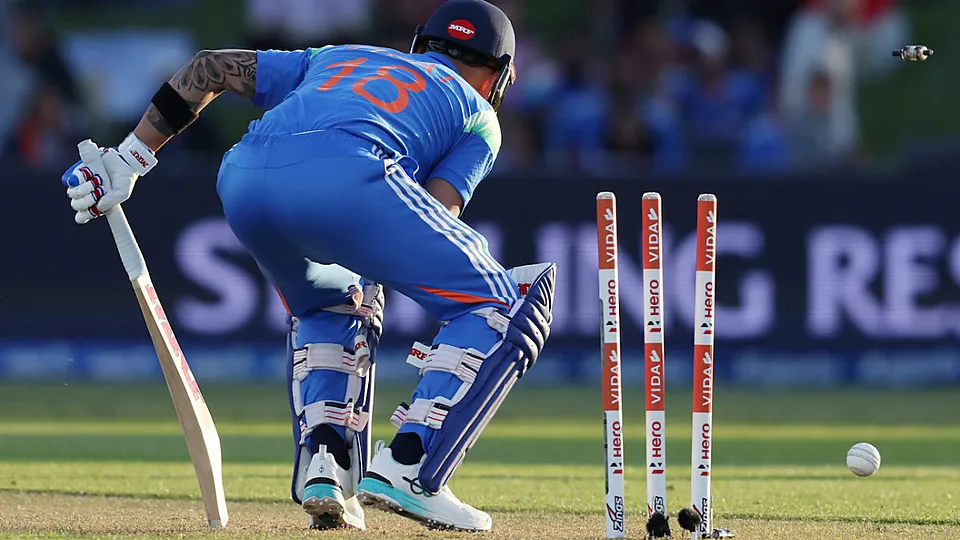
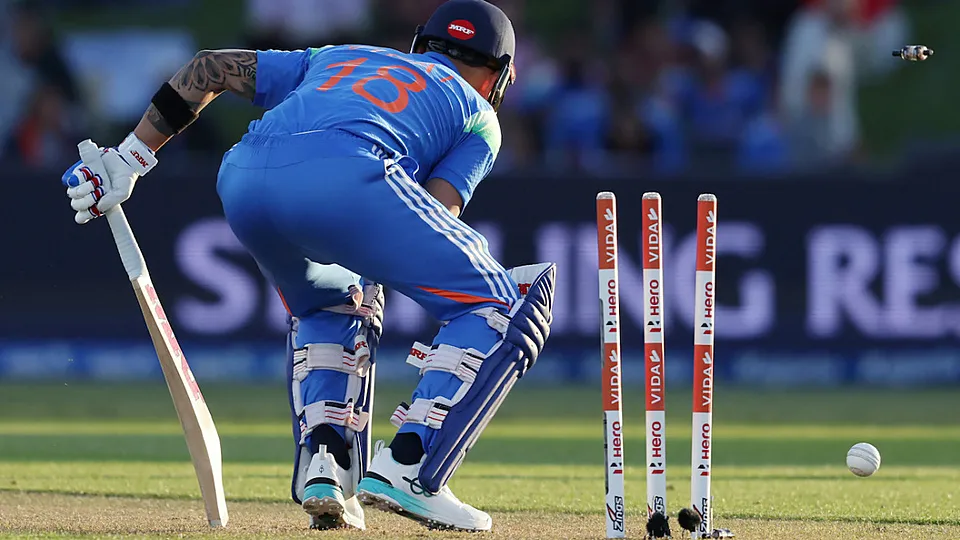
Three wickets for twelve runs. That is the rhythm we have grown accustomed to lately. You watch the scoreboard tick over, a couple of tentative pushes to mid-off, and then—bang—the middle order folds like a cheap lawn chair. It is a pattern that would make any coach lose sleep, and Gautam Gambhir is clearly not sleeping.
Gambhir didn't mince words this week. He is concerned. No, he is more than concerned; he is visibly rattled by the frequency of these batting collapses. For a man who built his career on an iron will and a refusal to blink, seeing the top order crumble under the slightest bit of pressure is a bitter pill. He knows the math. He knows these current conditions are the closest mirror we have to what awaits us in the World Cup.
The Middle-Overs Choke
The problem isn't the new-ball burst. We have always had a few early casualties. The real rot sets in during the 20th to 40th over window. We see a skiddy hard length, a bit of movement off the seam, and suddenly the batting lineup forgets how to rotate strike. It becomes a game of survival rather than accumulation. The boundary-percentage drops, the dot-ball pressure mounts, and the inevitable edge to slip follows.
Is it a technical failure? Or is it mental fragility? When you spend your weekends tracking the volatility of goa casino live tables online, you understand that some streaks are just bad luck. But in international cricket, a streak of collapses is usually a symptom of a deeper systemic illness. The Ranji grind used to prepare batsmen for these sticky red-soil tracks. Now, it feels like the T20 franchise mindset has seeped into the ODI format, leaving the middle order ill-equipped for a proper scrap.
A Dressing-Room Reality Check
Gambhir’s approach has always been about the uncomfortable truth. He isn't interested in the 'process' jargon that has dominated the dugout for the last decade. He wants results. He wants a batting unit that doesn't panic when the ball starts nipping around. The current trend suggests a lack of resilience—a tendency to play the occasion rather than the ball.
- The Strike-Rotation Crisis: Too many dot balls in the middle overs.
- The Selection Gamble: Relying on T20 specialists in 50-over setups.
- The Technical Gap: Poor handling of the ball that holds in the surface.
"I will be concerned because obviously these are conditions which are going to be closest to what we might get during the World Cup," Gambhir noted.
That quote is a warning shot. It is an admission that the current form is unacceptable. You cannot walk into a global tournament hoping the wind changes in your favor. Cricket is a game of margins, and right now, India's margins are dangerously thin.
Bowling at the Death vs. Batting in the Deep
Our bowlers are doing their jobs. The death bowling has become surgical, the lengths are disciplined, and the variations are working. But the mismatch is jarring. We have a bowling attack that can defend 220, but a batting lineup that struggles to post 250 without a miracle knock from a lone warrior. The disparity is glaring.
The fix isn't a new training drill or a fancy analytics dashboard. It is about temperament. It is about finding that grit to bat through the 30th over even when the pitch is playing tricks. If Gambhir cannot instill that 'win-at-all-costs' mentality into the top six, these collapses won't just be a concern—they will be our undoing on the big stage. The clock is ticking, and the red-soil tracks wait for no one.
Related coverage
- Mithali Raj’s Vision: Bridging Ranji Grind and Goa Casino Live Tables Online
- MI vs RR: Dew Bias Kills Pace, Goa Casino Live Tables Online Odds?

Updated 2026-11-13 · Instant Rupee Deposits & 60s Withdrawals · 24/7 Support.
Access Official TravelCafe Portal →IPL Auction & Fantasy Strategy Editor · Kolkata Desk
Yash Banerjee has tracked IPL auctions, T20 toss trends, and fantasy combinations since 2016. From Kolkata, he oversees TravelCafe's live match previews and goa casino live tables online guides.
Reader Discussion & Match Reactions (6)4.9★ Community (6 Comments)
Verified Indian cricket reader perspectives & tactical debate on travelcafeinc.com
The failure to rotate strike between the 20th and 40th over is a massive tactical red flag. If we can't handle a skiddy hard length in these conditions, the World Cup will be a disaster.
Bhai, this middle order folding like a lawn chair is just heartbreaking! Gambhir is right to be rattled because we need a proper knock to stop these collapses, yaar.
With the top order crumbling so frequently, my fantasy captaincy picks are becoming a nightmare. This systemic illness in the batting lineup makes predicting a stable score almost impossible.
The article mentions these conditions mirror the World Cup, which means our current struggle with seam movement is a critical warning. We need better team balance to survive that middle-overs choke.
Three wickets for twelve runs is just pathetic, man. We are paying for tickets to see this? Absolute disaster, we need some fight back in the middle order!
@Harshvardhan_K Exactly, and it's not just the strike rotation; the drop in boundary-percentage during those middle overs is what really lets the dot-ball pressure build up.