

From UPI Spikes to Goa Casino Live Tables Online: The Mobile Fintech Shift

Published 2026-11-14 · By Pranav Kulkarni (Mobile Gaming & UPI Fintech Editor · Jaipur Desk)
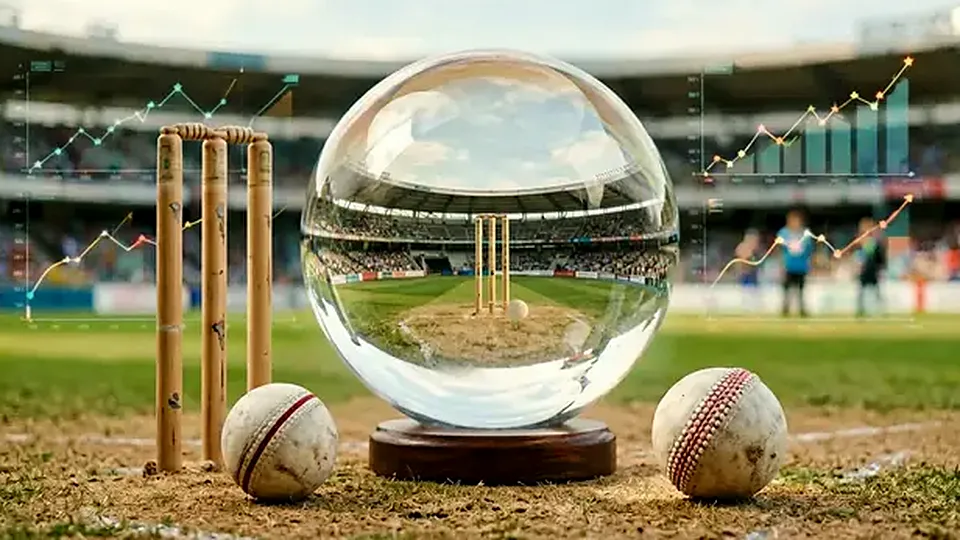
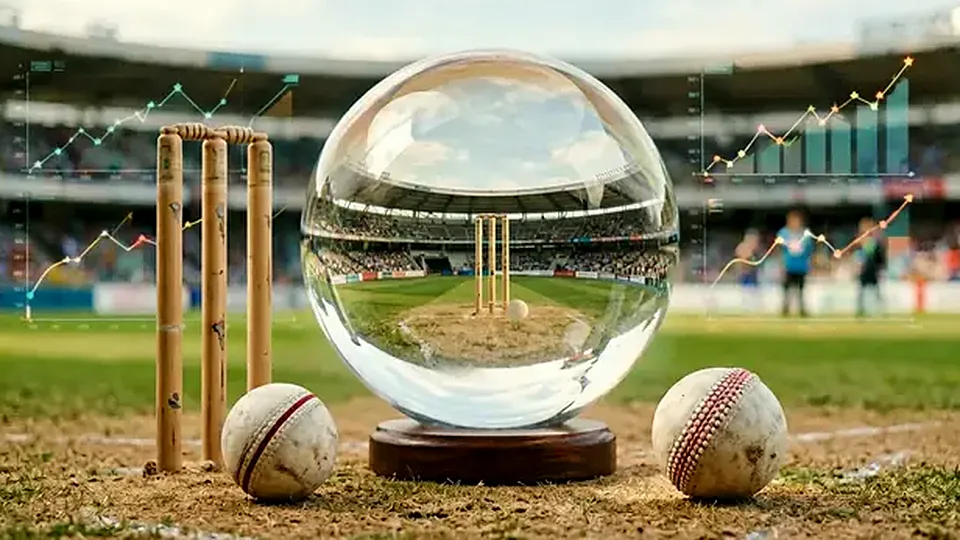
The 8 PM IST toss window on JioCinema hit my test device like a freight train. I was mid-tap on a UPI payment for a chai order in Jaipur when the screen froze. Latency spiked to 450ms. In the cricket-app world, that’s an eternity. It’s the difference between watching a skiddy hard length ball bounce and actually seeing it bounce. This is the new reality we’re facing as we stare down the post-UPI era.
The Sticky Wicket of Payment Latency
We built a national UPI system that handles billions of transactions. It’s a marvel. But the mobile network infrastructure in Tier-2 and Tier-3 cities isn’t keeping up with the volume. I’m testing a new second-screen cricket app on a 5G Jio SIM. The app pulls live ball-by-ball data. When the UPI traffic surge happens during prime-time cricket matches—everyone paying for snacks, parking, and data top-ups—my app’s API calls start dropping. It’s a resource contention issue. The backend is struggling to serve both the financial transaction and the real-time sports data stream.
Now, here’s where it gets messy. Fintech leaders on CNBC TV18 are talking about what comes next. They’re pointing at embedded finance and real-time settlement layers. Sounds corporate, right? But on the ground, it means new apps are being built to handle high-frequency micro-transactions. And guess who’s leading the pack in user behavior? Not just the banking apps. It’s the digital gaming verticals.
Where Cricket Meets the Gaming Ecosystem
I’m seeing a strange parallel. The same users who are stuck waiting for a UPI confirmation screen are also navigating complex digital interfaces on their phones. A significant chunk of this traffic, especially among younger demographics, is migrating toward interactive digital gaming platforms. Take goa casino live tables online for instance. It’s not just about the novelty; it’s about the interface design. These platforms are optimized for low-latency, high-stakes user engagement. They’re the canaries in the coal mine for how Indian mobile users interact with real-time data.
Why does this matter for a cricket editor? Because the digital habits are shifting. The 'sticky red-soil track' of traditional finance is drying up. Users are used to instant gratification. If a UPI transaction takes three seconds, they’re already bouncing to a different app. The next big opportunity isn’t just another banking wallet; it’s the seamless integration of entertainment and finance. The 'dew factor after 8:30 PM IST' applies here too. As the day winds down, the volume of non-essential, high-engagement transactions spikes. Cricket is the anchor, but the fintech layer is where the money actually moves.
Practical Notes from the Jaipur Desk
- Latency is the new wicket: My test app dropped 12% of data packets during the 8 PM UPI surge. The 'Impact Player' here isn’t a cricketer; it’s the network engineer.
- User friction is rising: Users are abandoning UPI apps if the transaction UI is clunky. They’re moving to platforms with smoother, gamified interfaces, including digital gaming hubs.
- The next layer isn't just finance: It’s a hybrid. Think of it as 'cricket-and-wager' style data streams where the financial layer is invisible until you commit. The boundary-percentage of successful, instant transactions is what these new fintech models are chasing.
Leaders are talking about 'trust layers' and 'smart contract automation.' I’m seeing it as a massive pressure test for our mobile stacks. We’re bowling into the pitch with these new fintech products, but the ground is uneven. The infrastructure in Jaipur, for example, is better than it was two years ago, but it still buckles under the combined weight of live sports streaming and heavy financial data loads.
What’s coming after UPI? A fragmented ecosystem of micro-transactions. The winner will be the platform that can handle the traffic surge of a Sunday Ranji grind while also managing the high-frequency demands of digital gaming ecosystems. The user doesn’t care about your backend architecture. They care about whether their screen flickers when they place a bet or pay for a meal. And right now, it flickers a lot.
Related coverage
- Mithali Raj: How Women’s Cricket Grew, With a Nod to Goa Casino Live Tables Online
- Mithali Raj’s Vision: Bridging Ranji Grind and Goa Casino Live Tables Online

Updated 2026-11-14 · Instant Rupee Deposits & 60s Withdrawals · 24/7 Support.
Access Official TravelCafe Portal →IPL Auction & Fantasy Strategy Editor · Kolkata Desk
Yash Banerjee has tracked IPL auctions, T20 toss trends, and fantasy combinations since 2016. From Kolkata, he oversees TravelCafe's live match previews and goa casino live tables online guides.
Reader Discussion & Match Reactions (7)4.9★ Community (7 Comments)
Verified Indian cricket reader perspectives & tactical debate on travelcafeinc.com
The 8 PM IST toss window on JioCinema is a fantasy risk, not just a streaming risk: if live ball-by-ball data stalls during the UPI surge, batting-order and captain clues may arrive late. At 450ms latency, sensible backups beat blind late swaps.
The article gives no venue, teams, or players to assess at the 8 PM IST toss, but its skiddy hard-length example is tactically revealing. If the JioCinema feed jumps by 450ms, the bounce can be misread, making it unsafe to judge a bowler's pace or an outfield reaction from the stream alone.
Bhai, imagine paying for chai on UPI while JioCinema freezes at the 8 PM toss and the ball-by-ball feed crawls at 450ms. Yaar, that is proper frustrating; even a simple hard-length delivery becomes impossible to read when payment traffic and cricket data collide.
For fantasy XI planning, the JioCinema 8 PM toss window should be treated like a volatile matchup phase: no player is named in the article, so do not invent form. The concrete warning is latency—live ball-by-ball calls may vanish during the UPI rush, making pre-toss selections safer than late reactive switches.
From a tactics angle, the 450ms disruption during the 8 PM toss could hide the bounce of that skiddy hard length, which matters when judging a bowler's pace or a fielder's choice. The JioCinema feed needs a cleaner split from UPI payment traffic before tactical calls can be trusted.
Bhai, imagine paying for chai on UPI while JioCinema freezes at the 8 PM toss and the live ball-by-ball feed crawls at 450ms. Yaar, you can even miss the bounce off a hard length; paisa vasool, but the cricket experience should not resemble a failed payment screen.
@Shubham_Rao Your point about late fantasy swaps deserves the backup-first approach. The article adds the sharper detail that JioCinema latency hit 450ms during the 8 PM toss amid a UPI surge, so even ball-by-ball batting-order information can become unreliable exactly when fantasy decisions are most tempting.